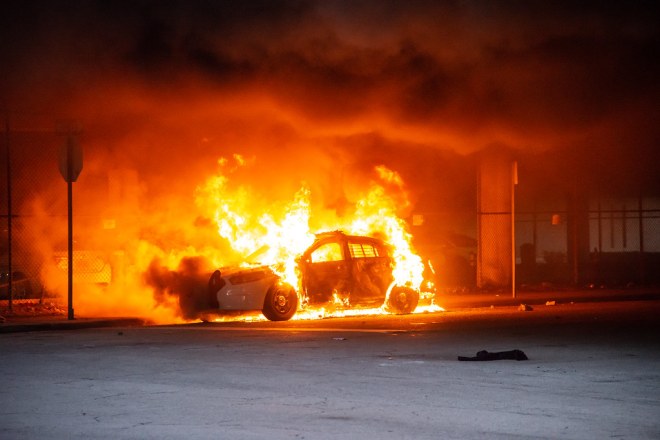
The coronavirus pandemic has created an unprecedented environment and mentality all across the world, striking fiercely and without mercy like one of the ten plagues of Egypt from the Old Testament.
And it is truly disheartening to think that the pandemic is only one of the plagues we are fighting right now.
The reality is that we, in the U.S. are fighting three pandemics at once.
It goes without saying what the first one is. The Covid-19 pandemic has wreaked unexpected havoc on the U.S. and the world economically, politically, socially, medically. But in the wake of the pandemic, two other plagues have emerged that are only spreading the damage and creating new wounds for Americans.
Substance Abuse
As restrictions were enforced to slow the spread of the virus–businesses temporarily or permanently shutting down, workers being laid off, benefits terminated–the number of drug overdoses and deaths as seen an incredible climb.
Officials in Shelby County, TN, recently reported that over 750 drug overdoses and 112 deaths have occurred since March 15, when the county began issuing stay-at-home orders related to the virus response. Simultaneously, demand for opioids such as fentanyl has surged. In Memphis alone, more than 100 people have died from drug overdoses Since March 15th.
“We have had an unprecedented number of overdoses, and an unprecedented number of deaths,” said Shelby County Health Department Director Alisa Haushalter in an online news conference.
Drug overdoses have already more than tripled since 1999, becoming the leading cause of injury death in the U.S. In 2017, there were more than 70,000 confirmed drug overdose deaths in the U.S. But the coronavirus pandemic and the restrictions put in place to combat it seem to directly correlate to the increasing number of overdoses throughout the nation.
A report brief from the American Medical Association states that more than 20 U.S. states have reported increases in opioid-related mortality. Advocates are also concerned for those suffering from mental illness or substance use disorder who may relapse because they’re unable to get the treatment they need.
Social factors tied to the virus response have contributed to the increase of drug use and overdoses, including:
- a sense of isolation from staying at home for an extended period
- estrangement or separation from friends and family members
- job losses leading to financial problems
- a fear that drug treatment facilities are not open or available for those in addiction recovery
In Montgomery County, Ohio—where the city of Dayton was considered the country’s overdose capital in 2017—officials are reporting that overdoses have jumped 50 percent from this time last year.
50 PERCENT?!
Coroner Kent Harshbarger fears that it could increase towards 100 percent: “March had around 42 which, our normal baseline is somewhere in the 20s usually. So 42 is a significant increase.”
Alcohol is another concern. You may laugh at the idea of people stocking up on beer, spirits and wine in preparation of sheltering in place the same way we do when a blizzard is in the forecast.
But it really isn’t a laughing matter. The current pandemic saw alcohol sales rise 55 percent during the week ending March 21st (before stay-at-home orders were enforced), with sales of hard liquor specifically exceeding 75 percent. Though some hard alcohol sales may be due to families making home made hand sanitizer, experts believe that the combination of the pandemic, the economy’s fall, and stay-at-home mandates have tailored the crisis for alcohol abuse.
“It’s stressful and boring,” said John Clapp, professor at the USC Suzanne Dworak-Peck School of Social work. “People are coping with kids at home, spouses, social stress, financial stress, work stress, and the threat of disease. So, it doesn’t surprise me at all that we’ve seen a spike in drinking.”
We all love a good IPA, Cabernet or cocktail–or whatever–but moderation is still necessary (14 standard sized drinks for males in a week, ten for women according to the CDC).
Trauma
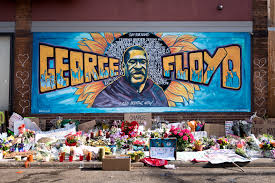
In addition to this horrible pandemic is the incredibly infuriating, depressing and senseless death of Minnesota resident George Floyd, who was killed in police custody when then officer Derek Chauvin held his knee on Floyd’s neck for several minutes as the restrained man begged him to let him breathe. The episode caught on camera has sparked another series of global outrage, protests, and riots in response to racial issues and police brutality of minorities, specifically African Americans.

What’s not being discussed or considered is how the wide-spread video footage of George Floyd’s murder has struck the entire world has put every viewer at risk of serious mental health trauma.
Trauma can come through experiencing one of an infinite number of events: the death of someone close, suffering serious illness or witnessing someone suffering a serious illness, a natural disaster like a tornado or hurricane, road or auto accidents, violence, or prolonged abuse. As a result, the brain goes through a change: the parts that control our short term memory and regulate our thoughts and emotions shrink, and the amygdala–the emotional center of our brain–enlarges, stimulating “fight or flight mode.”
This means that our emotional response to trauma can vary. Those affected may experience fear, anger, guilt, anxiety, reduced awareness, or a feeling of helplessness, hopelessness, or a numb feeling of disassociation with the world around you. Traumatic stress can also have a physical impact, causing those suffering to experience:
- Fatigue
- Being easily startled
- Headaches
- Sweating
- Gastro-intestinal problems
To make matters worse, a study from Virginia Tech showed that simply observing fear in others may physically alter the brain and change how information flows in the brain.
But can a person experience trauma secondhand with no direct contact with the traumatic event, i.e. through a video?
Sadly, yes.
Tampa-based therapist Dr. Stephanie Moulton Sarkis is an expert on psychological trauma. She has written about mental health issues for such publishers as the HuffPost, Psychology Today and Forbes, and is the author of the 2018 book Gaslighting: Recognize Manipulative and Emotionally Abusive People—and Break Free, which discusses trauma as both a personal experience and as a characteristic strategy of authoritarian governments.
According to her, there is basis in scientific fact that you can be traumatized by seeing images of real violence that didn’t happen to you personally. It’s called “vicarious traumatization”.
“Sometimes therapists,” said Dr. Sarkis in an interview with Vulture, “by talking with people who have been through trauma, can go on to have nightmares about the patient’s trauma or other emotional reactions that impact our day-to-day lives. That’s one of the leading causes of therapist burnout. What large numbers of people are experiencing in this country right now from watching this footage is similar to what therapists experience after they’ve worked with people who’ve been in trauma.”
Vicarious traumatization is not considered post-traumatic stress disorder, according to the definition of the Diagnostic and Statistical Manual of Mental Disorders by the American Psychiatric Association, nor does it qualify one as suffering from PTSD. But it is acknowledged as something that does happen when you view such media as George Floyd’s murder. However, if you’ve been through trauma yourself, seeing videos of people going through trauma can trigger issues related to your own trauma, or symptoms of PTSD that you’ve had to deal with previously, whether you’ve experienced police brutality or have been involved in activism to end police brutality, or if you’ve experienced other kinds of violence in your life, such as domestic violence.
Another key element to what we’re experiencing right now is the empathy we have as humans. No matter what you’re told–that there’s no way you can understand because you’re not of the same skin tone or have never experienced brutality or misuse of justice–we all have the ability to take on another’s suffering.
“There is a lot of suffering in the world,” said Sarkis, “and when we see pictures of it, it can affect some of us in a much deeper way. For most people, it impacts them to a limited degree. But [psychologists] have also been hearing about people who watch this footage and have somatic, or physical, reactions. Nausea. Insomnia.”
Dr. Sarkis also explained how, during a traumatic experience, the body tends to release a stress-inducing hormone called cortisol, which makes you feel really on edge and activates the sympathetic part of your autonomic nervous system, which acts under stress. That’s the fight-or-flight mechanism, and it can occur even if we’re just watching news videos online
“Just the act of watching a lot of these videos over and over can wear you out because you’re seeing human suffering on such a large scale,” she said.
How can we survive the new plagues?
No one could have ever imagined that we would be living through multiple non-seasonal pandemics, let alone one in the coronavirus. With increased unemployment, uncertainty with the economy’s future, the increased division between people and absolute brokenness across the planet–in addition to being an election year in the U.S.–we can’t help but anxiously wonder what we can do to better the situation for ourselves and the people around us.
But there’s a single answer that addresses all three pandemics: take action.
If you feel called to actively and peacefully protest the brutality and misconduct within police custody, then stand up and do so (safely and again, peacefully; do NOT fall into the trap of mob riots). Check in with the people around you to make sure they are okay; that they are handling everything okay in regards to the pandemic, or if they’re mentally and emotionally healthy with the happenings of the world. If you or someone you know is really having a difficult time processing it all, see or suggest they see a therapist or mental health counselor (as current mandates permit). Despite what we may believe, stress and trauma are not easy things to manage, and having someone who is trained to help cope and process those obstacles can be the difference-maker in how you survive 2020.
Take action to care for yourself too. It’s summer, and some things have opened up more. Be safe, but get outside. Disconnect from the devices shut the TV off, and spend some quiet time with yourself.
It’s through action that we do better during such challenging times because it means we’re working, physically and mentally, towards digging ourselves out of those challenges rather than allowing ourselves to continue to be buried by them.
 Eric Kambach